
Artificial Intelligence can speed up the time of painstakingly tracking wildlife cameras and analyzing them, as AI can do it similarly to humans.
The above is according to a new study led by researchers at Washington State University and Google. They tested whether an independent AI system could replace humans in examining millions of images collected in the wild. In the study, the team discovered that for most species, AI can closely match the identified images, similar to humans.
“We’re not trying to replace people,” said WSU wildlife ecologist Daniel Thornton, lead author of the study. “The goal is to help researchers get to answers faster so they can make better decisions about managing and conserving wildlife.
Faster image processing can lead to more productivity for researchers and wildlife managers in making decisions about monitoring species, such as jaguars, wolves, and grizzly bears. Without AI, the process is slow and labor-intensive. Using camera traps (which are motion-activated) placed in forests and wetlands can produce detailed datasets. A single project can make millions of images that AI reviews to determine which animal is in each frame.
The earliest AI tools have given some relief to researchers, often identifying 60-70% of images. Humans are still required to review the work of AI. The latest study tested that the final step of humans reviewing can be removed.
Google developed a general AI model called SpeciesNet, where researchers can search through a database and review the work of AI.
“The key question wasn’t whether the AI got every image right,” said Dan Morris, a senior staff research scientist at Google who helped create SpeciesNet and is a co-author on the study. “It was whether the ecological conclusions you care about would end up being basically the same.”
Even when AI makes mistakes (like misidentifying animals), the general models remained stable because other models rely on repeated observations.
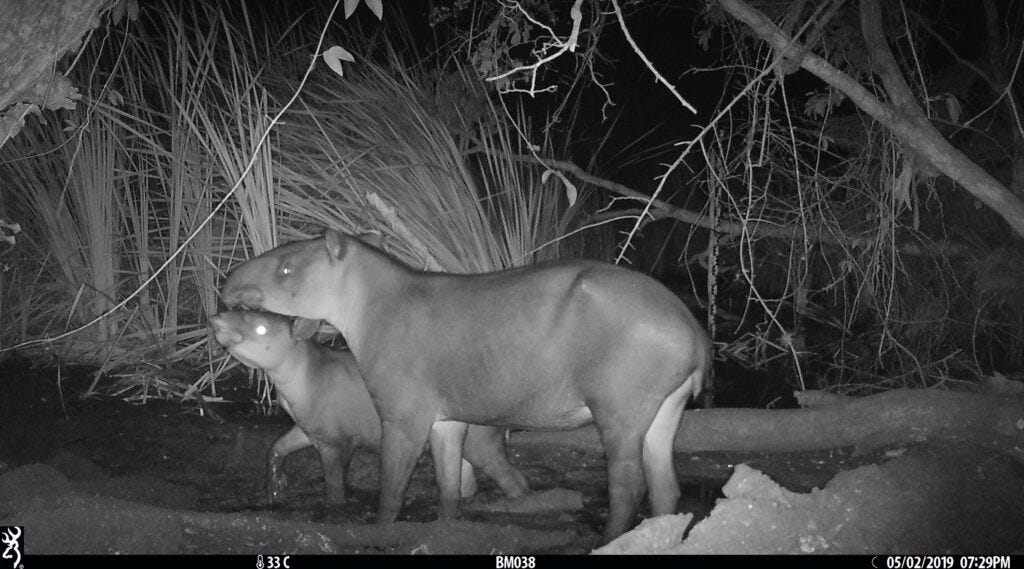
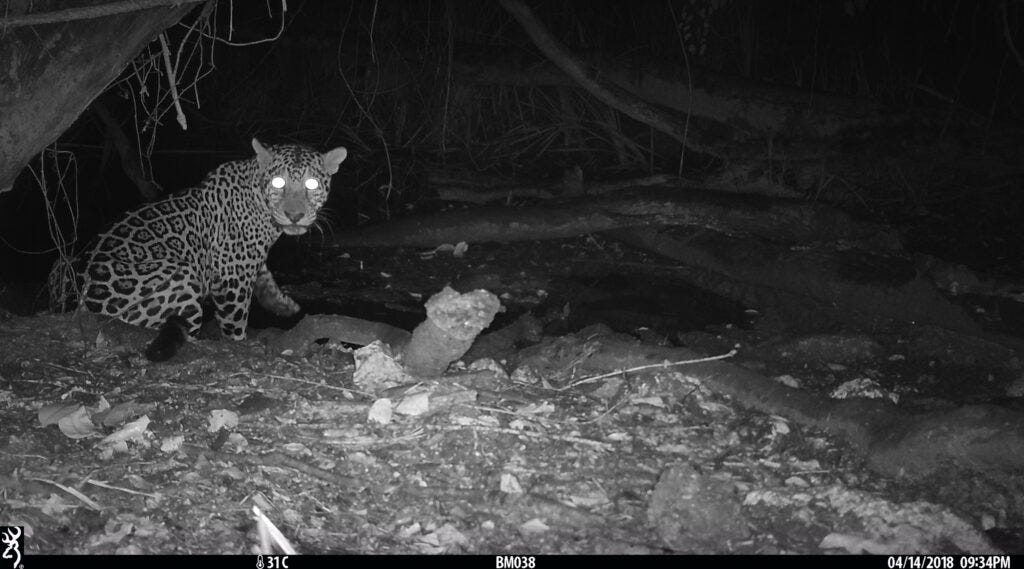
This method saves bundles of time, and now processing takes roughly a week thanks to AI. This may allow researchers in the near future to expand efforts without being limited by the capacity of data processing. Rather than creating new platforms for AI, the team focuses on what they already have.