
Whether you like it or not, coyotes are living the chill life in Seattle’s urban areas, drawn by the unlimited food and fewer predator threats than in the wild.
“We observed a ninefold increase in coyote density in Seattle compared to more natural and wild areas of the state,” said lead author Laura Prugh, a UW professor of environmental and forest sciences.
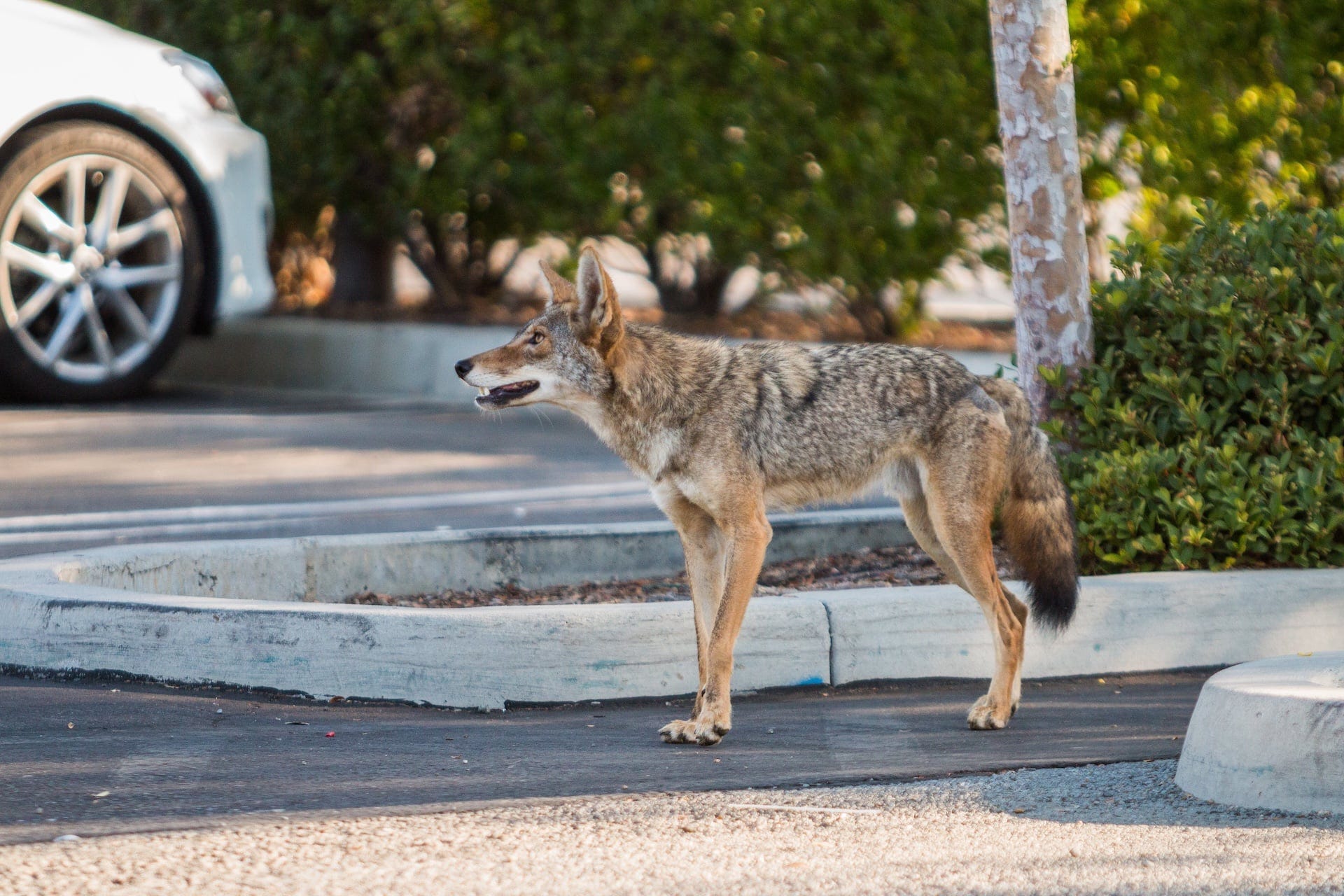
Coyotes have turned every metropolitan area in North America into their new homes, researchers said. Chicago alone is estimated to have 4,000 coyotes. They are often seen in parks and roaming neighborhoods.
The “luxury effect” is a new theory where wealthier neighborhoods have more plant and animal diversity. Human population density only influences coyotes.
“In Seattle, human population density hurt coyote density. But when you compare coyote abundance in Seattle to areas with far fewer people, the coyote population was much higher in the city,” Prugh said.
In urban areas, coyotes are less likely to be killed or go hungry than in the wild. Life in the wild is far more risky, with large carnivores like wolves and mountain lions ready to hunt. Rural areas may have farmers who may kill coyotes ot protect livestock. In the bustling cities, the only things that regularly kill coyotes are cars and disease.
Researchers ran scat (poop) analyses, which show that coyotes’ diets were more than twice as diverse as those of wild coyotes. Rabbits and berries were at the top of both charts. Seattle recently went through a “bunny boom,” which shaped ecology and helped draw coyotes to the region.
“Coyotes and rabbits have a natural relationship, even in a highly altered environment like Seattle,” Prugh said.
Sources:
University of Washington study suggests more coyotes are living in cities
Research finds coyotes thrive in cities, with Seattle among growing urban hotspots
Has anyone spotted any coyotes near their homes?