
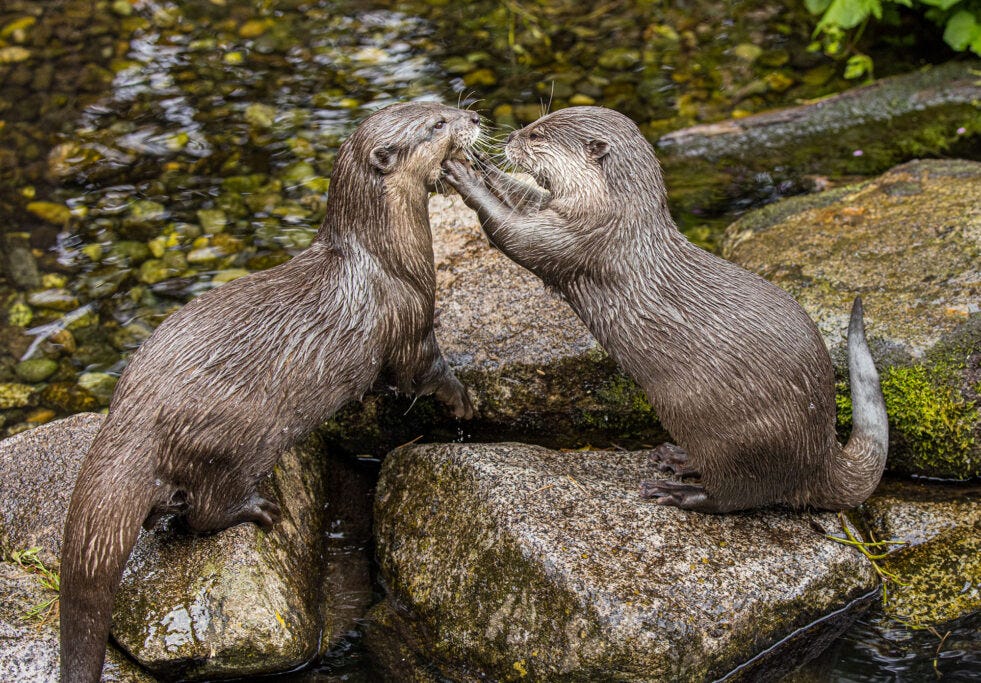
Meet Little Frei and Connor, two of the focuses of Microsoft’s AI for Good Lab project. Seattle’s Woodland Park Zoo is piloting a monitoring system using AI that could discover why the Pacific Marten, a small creature in the weasel family, nearly disappeared from Washington’s Olympic Peninsula.
The only problem, pacific martens are highly secretive and difficult to track. As a result, AI for Good Lab teamed up with Woodland Park Zoo to test and train the AI models. Scientists set the cameras in the Asian small-clawed otter exhibit to help monitor the animals.
20 organizations, including Woodland Park Zoo, received a grant that allows progress in the AI for Good Lab.
“The zoo is testing SPARROW (Solar-Powered Acoustic and Remote Recording Observation Watch), an AI-powered system the lab developed that collects wildlife data from cameras and acoustic sensors and transmits it directly to the cloud via satellite, enabling researchers to access — and act on — real-time insights.”
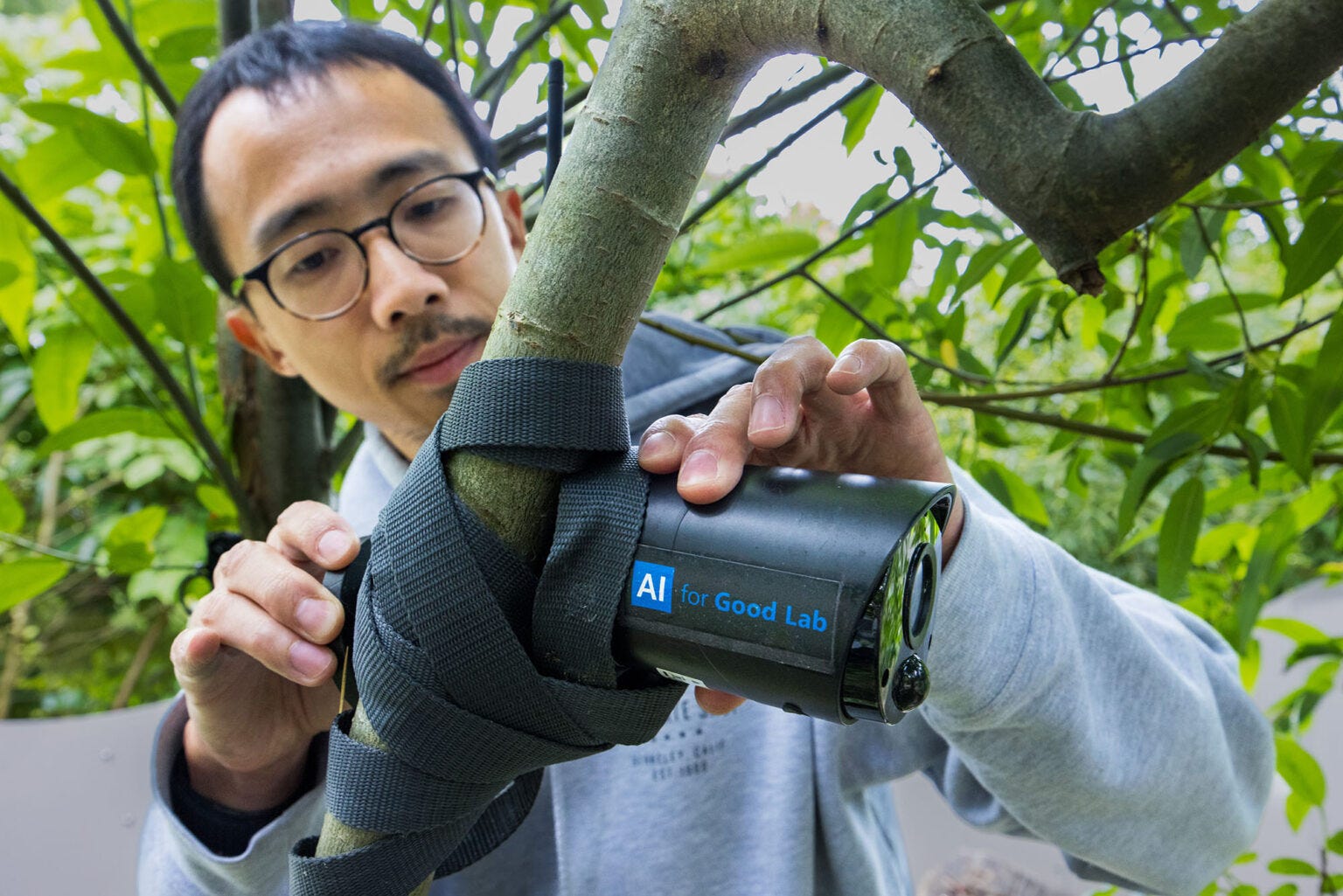
The technology is planned to be used worldwide, but as of now, in Washington state. It was first developed in the Redmond campus of Microsoft.
SPARROW utilizes traditional cameras and requires research to download the data. It uses solar energy and low-Earth- orbit satellites to target a certain area. Instead of researchers hiking to the site to collect the data, conservationists can now receive immediate results. Cameras are placed in remote habitats and use camera traps to continuously monitor the environment.
“But by the 1960s, martens had become rare due to habitat loss, trapping, climate change, and other pressures. During the 1990s, there were no Pacific martens sighted on the Olympic Peninsula at all. Then in 2008, a young female marten was found dead on a peninsula trail — the first confirmation of the species in the area in almost 20 years.
If SPARROW ever detects any martens in the Olympic Peninsula, scientists could easily go to the sites and collect DNA samples and other data on population size. The main goal with SPARROW was to test how animals interact with humans, but conservationists later realized that it would be more valuable in the zoo’s Olympic Marten Project. There are certain challenges to this, including weather and seasonal changes that could potentially disturb the cameras.
Scientists hope that SPARROW will be successful and assist conservationists in determining how pacific martens can live in the Olympic Peninsula.
Source: Could AI help save one of the Pacific Northwest’s most vulnerable animals?