
The Coastal Forests of Washington State are truly captivating, capturing the eye of people across the globe, and home to so many native animals and plants, providing common recreational spots. Beyond its beauty, however, we must look at the potential challenges that these stunning forests experience throughout the year, and how our local teams are helping keep our states’ forests that we have grown to cherish and love healthy.
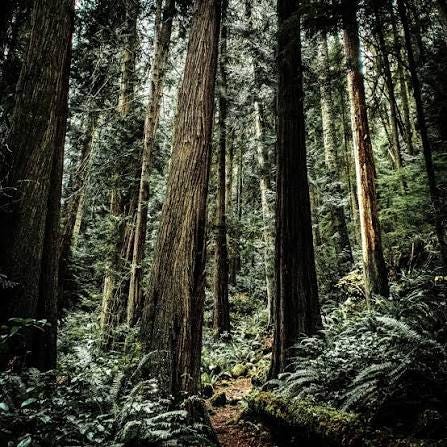
Starting off with fall. With our hearty supply of rain each autumn, we definitely don’t have any dry forests, especially here in Seattle! However, even with the replenishing supply of rain, there are still challenges they can face. High-energy windstorms can cause significant damage, especially towards our evergreen trees. These windstorms can create large openings within our forest canopy, also contributing to weakened root systems. In the fall, there is also a significant amount of rising pest and fungal diseases, which disrupt the forests’ natural environment. Two of these include Laminated Root Rot, which weakens the roots and foundation of trees, especially Douglas Fir trees, and another disease being the Insect Stressor, which causes vulnerability towards the trees. To combat the windstorms, the Nature Conservancy and The Washington Department of Natural Resources (WADNR) are using density thinning, leaving gaps in certain places, and leaving other places untouched, depending on what the forests need. To combat the diseases, they are planting more trees that have immunity towards these pests, such as Red Alders and Bigleaf Maples, as well as using seed migration. With these efforts, our forests are going to be as healthy as ever in the fall!
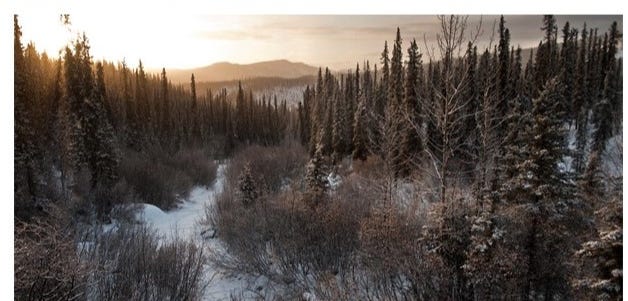
Leading us on to the next season, WINTER!, where everything is chilly, and (depending on the year) maybe we have a white landscape! What does that mean for our forests though? Some challenges that our forests face are coastal erosion and shifting precipitation. These can cause abrupt changes in the environment, forcing the trees to have to adapt quicker than they can. Coming back to my old point about selective thinning, they do this in the winter as well to make sure it’s less easy to trap precipitation and make the forests too dense. For coastal erosion, they expand boundaries, to help make sure that all parts of the forest are being monitored by a professional, even when heavy snow can block them out, or make it hard to navigate the forests. When winter finally pulls around, and you’re singing Christmas Carols underneath your tree, just know that tree was probably part of a journey you knew nothing about, carrying stories alongside coming home!
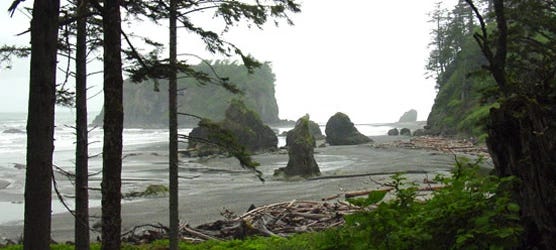
With that, we can move onto the season of the flowers and bloom, Spring! Spring is actually the healthiest season for these coastal forests, with replenishing supply of rain, but also sun, and just the right conditions for the healthiest coastal forests. But can you believe that even the spring comes with challenges? Since spring is a transition from winter, trails and slopes can become slippery because of the melting precipitation from winter, which shifts landscape, causes hazards, and damages rootscapes. Also trees already weakened by the winter season are more prone to insect infestation which often kickstarts in the spring with the healthy weather. However, the Nature Conservancy is working on planting trees with more immunity, placing signs where hazards may occur and helping increase the stability and foundation of the trees that may be vulnerable especially towards those challenges. Just know, if you ever decide to hit up a national park in the PNW in the Spring, watch out, because there might be insects and slippery slopes!
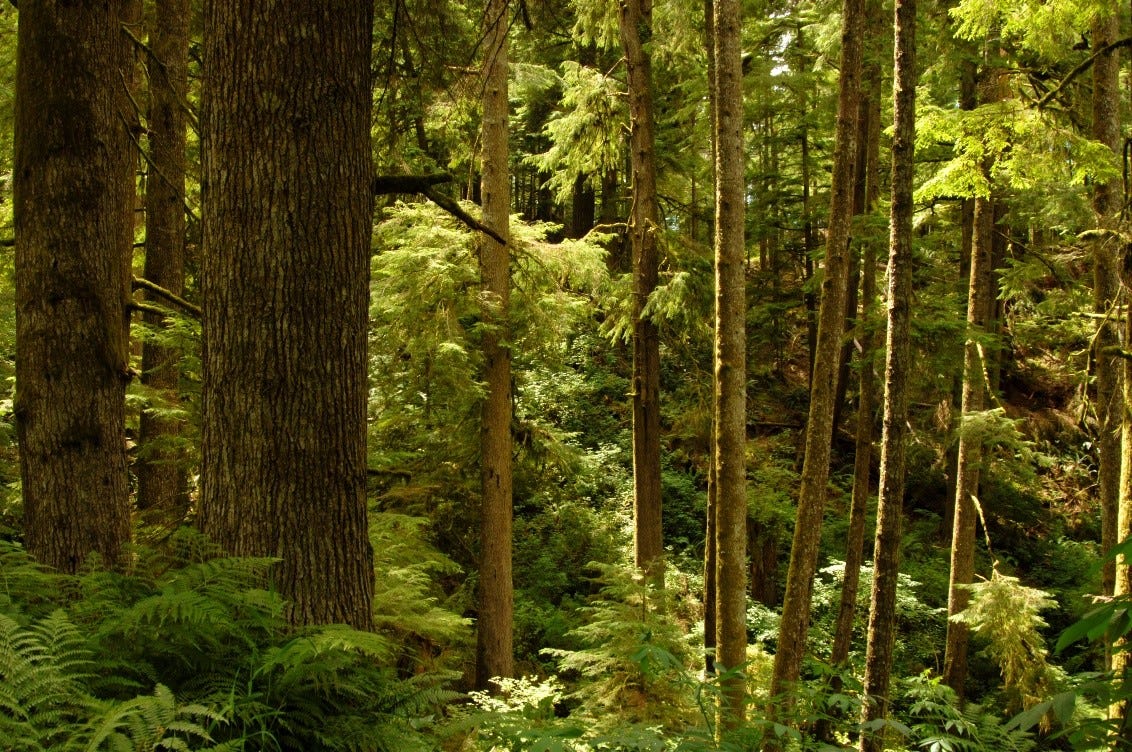
Alas, we can’t forget about summer. While being the most loved season among us, it can have drastic impacts upon our coastal forests. With climate change and global warming rapidly changing our world, there are many challenges acquired during this season. First, and foremost, our coastal forests have an important role of storing carbon and also regulating these amounts, essentially double the amount than most midwestern forests. Although all forests have risks, dry forests and younger growth forests have a significantly higher risk of severe impacts caused by these carbon emissions and climate change overall, since old-growth forests follow a process called climate refugia (which we will dive into later) and wet forests have less risk of wildfires. Because old-growth forests and wet forests have less risk, the Nature Conservancy tries to implement something called “selective thinning” which essentially gives a dry/young growth forest the properties that healthy forests have. The data shows that when 30% of the density was removed, it allowed space for every plant/wildlife to truly thrive. Coming back to my old point about climate refugia, which is essentially just micro-buffers in the environment, which also help with layering, overall causing a healthy environment for the forest. So many solutions in the summer to keep our environment healthy!
To wrap this article up, know that alongside beauty and greenery, our forests need to be taken care of, and each season they need different ways. Next time you take a hike or visit a national park like the Olympic National Park, just know that there are so many people working behind the scenes to keep this scenery healthy.
Sources and Pictures:
https://www.climatehubs.usda.gov/hubs/northwest/topic/northwest-forests-and-woodlands
Written by: Prisha Ahuja
Very informative 👍